The New Kadampa Tradition

What is the New Kadampa Tradition?

The New Kadampa Tradition – International Kadampa Buddhist Union (NKT-IKBU) is a global Buddhist community founded in 1991 by Venerable Geshe Kelsang Gyatso Rinpoche. Its purpose is to preserve and share the authentic teachings of Kadampa Buddhism for the benefit of everyone.

Rooted in the teachings of Buddha Shakyamuni, as passed down through the great Buddhist masters Atisha and Je Tsongkhapa, Geshe Kelsang Gyatso has made Buddha’s timeless wisdom accessible and meaningful for people in the modern world.

Through an international network of Kadampa meditation centres, the NKT shares practical methods for developing peace, compassion and wisdom with people of all backgrounds and walks of life.

The New Kadampa Tradition is an independent Buddhist tradition with no political affiliations. It is also a registered charity in England under the name New Kadampa Tradition – International Kadampa Buddhist Union (NKT-IKBU).

The main office of the NKT is located at Manjushri Kadampa Meditation Centre in Ulverston, in the Lake District. This centre is regarded as the mother centre of the New Kadampa Tradition.

What is Kadampa Buddhism?

Kadampa Buddhism is a tradition of Buddhist practice that began in 11th-century Tibet with the great Indian Buddhist master Atisha. He presented Buddha’s teachings in a clear and practical way known as Lamrim, or “Stages of the Path to Enlightenment”, making them accessible for everyday life.

In the 14th century, these teachings were further clarified by the realised scholar and meditation master Je Tsongkhapa, who emphasised the inseparable union of wisdom and compassion, and the harmonious practice of Sutra and Tantra.

Practitioners of this tradition before the time of Je Tsongkhapa are known as the “Old Kadampas”, and those following after him are known as the “New Kadampas”. The word “Kadampa” comes from Tibetan: “Ka” refers to all of Buddha’s teachings, “dam” refers to Atisha’s special Lamrim instructions, and “pa” means a practitioner who integrates these teachings into daily life.

Today, the New Kadampa Tradition continues this living lineage, making the essential practices of Kadampa Buddhism available to people throughout the world through the compassionate activities of Geshe Kelsang Gyatso Rinpoche.

You can learn more about the life and teachings of Je Tsongkhapa in Heart Jewel, and about Atisha in Joyful Path of Good Fortune.

What is the purpose of the Kadampa teachings?

In the New Kadampa Tradition (NKT), the purpose of the Kadampa teachings is to help people develop wisdom and compassion, so they can transform their minds and their lives.

By applying Buddha’s teachings to everyday situations, anyone — regardless of background or beliefs — can learn how to reduce suffering, experience greater inner peace and cultivate positive qualities such as love, patience and wisdom. This practical blending of Dharma with daily life is known as the union of Kadam Dharma and daily life, and it lies at the heart of the NKT.

Ultimately, the aim is to support everyone in making progress on the path to liberation and enlightenment, while also finding deeper happiness and meaning right now, within daily modern life.

How do you practise Buddhism in the New Kadampa Tradition?

In the New Kadampa Tradition, practitioners combine study, meditation and work as a balanced and supportive way of practising Buddhism.

Great importance is placed on studying Buddhist texts, engaging in meditation, and working in practical ways to benefit others. Practitioners aim to benefit others by sharing practical methods for applying the teachings in daily life and by helping to make Buddhist teachings widely accessible.

This emphasis on study, meditation and work helps practitioners deepen their understanding, internalise the teachings, and apply Buddhist principles in a meaningful and practical way.

What are the benefits of NKT meditations?

Meditation practices taught in the New Kadampa Tradition are practical, accessible and deeply transformative. Even ten or fifteen minutes of breathing meditation each day can help you to:

  • Experience greater peace and contentment
  • Gain more control over your mind
  • Reduce stress and cope more easily with difficulties
  • Develop a calm, clear and spacious mind
  • Improve your relationships

By engaging in deeper Lamrim meditations, such as those presented in The New Meditation Handbook, we learn to recognise and gradually reduce unhelpful mental habits such as anger, attachment and jealousy — the true sources of suffering. At the same time, we cultivate positive states of mind including love, compassion, patience and wisdom.

Through regular meditation practice, we create the causes for lasting happiness and make steady progress towards liberation and enlightenment.

What does it mean to be a Buddhist?

Being a Buddhist means going for refuge in the Three Jewels — Buddha, Dharma and Sangha — as the reliable protection from suffering. Going for refuge is the foundation of the Buddhist path and marks the beginning of a person’s life as a Buddhist.

Going for refuge involves developing sincere trust in:

  • Buddha, as our guide and perfect example
  • Dharma, meaning Buddha’s teachings and our own inner experience of putting them into practice, as the actual protection from suffering
  • Sangha, the spiritual community, as our friends and support on the path

In the New Kadampa Tradition, this inner refuge is cultivated by learning to turn inward for solutions to our problems, relying on Buddha’s wisdom and methods to transform our minds. Gradually, we reduce our reliance on external circumstances as our main source of happiness or security, and instead discover a deeper sense of peace through Dharma practice.

For those who wish to formally become Buddhist, there is the opportunity to take the Refuge Vow. This is a meaningful and uplifting ceremony in which one makes a conscious commitment to rely on the Three Jewels and to live in accordance with Buddhist principles. The vow marks the beginning of a new life based on spiritual practice, ethical conduct and the intention to progress towards liberation and enlightenment for the benefit of all beings.

What is Modern Buddhism?

In the New Kadampa Tradition, Modern Buddhism refers to presenting Buddha’s ancient teachings in a way that is clear, practical and directly relevant to modern daily life — regardless of a person’s background, culture or beliefs.

This approach was developed by Venerable Geshe Kelsang Gyatso Rinpoche, the founder of the NKT, who dedicated his life to making the essence of Buddha’s wisdom accessible and meaningful for people today. In his own words:

“Modern Buddhism is a special presentation of Buddha’s teachings that retains their original meaning while making them easy to understand and practise in modern society.”
— Geshe Kelsang Gyatso, Modern Buddhism

The book Modern Buddhism is available as a free eBook and is widely used in Kadampa centres around the world.

What are the key teachings of New Kadampa Buddhism?

The New Kadampa Tradition presents Kadampa Buddhism in a modern form that includes the Hinayana, Mahayana and Vajrayana paths, all rooted in the teachings of Buddha and the great Indian and Tibetan masters such as Atisha and Je Tsongkhapa.

All Kadampa practices are grounded in love and compassion for all living beings. Under the guidance of Venerable Geshe Kelsang Gyatso Rinpoche, these teachings are presented in a way that is clear, accessible and especially suited to the pace and challenges of modern life.

The three principal teachings are:

  • Lamrim, or Stages of the Path to Enlightenment — a practical, step-by-step guide that begins with developing a kind heart and leads through deepening wisdom to the attainment of enlightenment for the benefit of all beings.
  • Lojong, or Training the Mind — teachings that show how everyday difficulties can be transformed into opportunities for spiritual growth, helping us to develop patience, compassion and wisdom while maintaining a calm and positive mind.
  • Mahamudra — according to Sutra, this refers to the profound realisation of emptiness, which leads to complete liberation from the sufferings of samsara. According to Tantra, or Vajrayana, Mahamudra is the union of spontaneous great bliss and emptiness, through which full enlightenment can be attained.

Who do Kadampas rely upon?

In the New Kadampa Tradition, practitioners primarily rely upon four enlightened beings, known as the Four Kadampa Deities.

  • Buddha Shakyamuni — the founder of Buddhism and the principal object of refuge for all Buddhists
  • Avalokiteshvara — the Buddha of Compassion. By relying upon Avalokiteshvara, practitioners naturally increase their own compassion
  • Green Tara — the female Buddha of wisdom and compassion, especially relied upon in times of difficulty and for swift help in overcoming obstacles
  • Dorje Shugden — the Wisdom Dharma Protector for modern Kadampas who helps, guides and protects sincere practitioners by removing inner and outer obstacles, increasing wisdom and fulfilling virtuous wishes

Through relying on these four enlightened beings, Kadampa practitioners emphasise the essential practices that support pure Dharma realisations and steady progress on the spiritual path.

What holy days are celebrated in the New Kadampa Tradition?

In the New Kadampa Tradition, several special holy days are celebrated each year to honour significant events in the Buddhist calendar and to deepen our connection with enlightened beings.

All NKT holy days are observed according to the Western calendar, making it easy for practitioners around the world to celebrate together on the same dates.

These special days offer valuable opportunities to step back from everyday routines, engage in group prayer and meditation, connect with the Kadampa community, and receive inspiration and blessings that strengthen ongoing practice.

The NKT celebrates:

  • NKT Day (first Saturday in April)
  • Buddha’s Enlightenment Day (15 April)
  • Turning the Wheel of Dharma Day (4 June)
  • Buddha’s Return from Heaven Day (22 September)
  • Je Tsongkhapa Day (25 October)
  • International Temples Day (first Saturday in November)

What is the New Kadampa Tradition approach to mental health?

Buddha’s teachings are intended to support inner peace, mental clarity and emotional wellbeing. Many people find that meditation and Buddhist practice help them develop healthier ways of relating to their thoughts and feelings.

However, the New Kadampa Tradition is not a provider of mental health treatment. We always encourage anyone experiencing mental health difficulties to seek support from qualified medical and mental health professionals.

Can anyone practise Kadampa Buddhism?

Yes. Kadampa Buddhism is open and welcoming to everyone, regardless of background or experience. Anyone is welcome to attend classes, courses and events at NKT centres — whether they are simply curious about meditation or wish to explore Buddhism more deeply.

Are there ordained monks and nuns in the New Kadampa Tradition?

Yes. The New Kadampa Tradition (NKT) has a flourishing ordained community of over 800 monks and nuns worldwide.

Ordained Kadampa practitioners take ten lifelong vows that capture the essence of full ordination as taught in Buddha’s Vinaya. These vows originate from the Perfection of Wisdom Sutra and its Lamrim commentary, and are received through a special ordination ceremony guided by a qualified Preceptor.

This form of ordination is designed to be both meaningful and sustainable within modern society. It supports a deep spiritual life while remaining fully compatible with contemporary living. In the NKT, monks and nuns have equal status and equal opportunities to study, practise and teach.

Are all the centres in the New Kadampa Tradition the same?

The New Kadampa Tradition has many centres around the world, and while they share a common foundation, each one is unique.

All centres follow the same core structure, offering Buddha’s teachings through the three study programmes — the General Programme, Foundation Programme and Teacher Training Programme — and operating in accordance with the Internal Rules of the NKT. This shared framework helps maintain consistency and unity across the tradition.

At the same time, each centre is independently registered and shaped by the culture, needs and legal requirements of its local community. Centres vary widely in size and setting, including Kadampa Buddhist Centres, Kadampa Meditation Centres, modern city-centre spaces, International Retreat Centres and Kadampa World Peace Temples. Many also have branch classes in surrounding areas.

Some centres include a bookshop, café or social space; some have resident communities; and some offer accommodation for retreats or special events.

Whether large or small, every centre aims to be a peaceful, welcoming place where people can learn to meditate, find inspiration in Buddha’s teachings, connect with others on a similar path and develop a wish to benefit others.

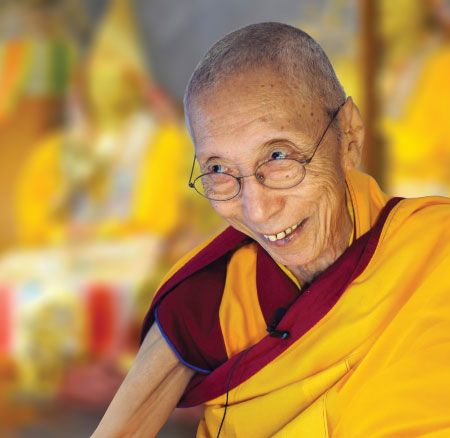
Geshe Kelsang Gyatso

Who can attend New Kadampa Tradition classes?

Everyone is welcome.

New Kadampa Tradition classes are open to people of all backgrounds, beliefs and levels of experience. Whether you are simply curious about meditation, looking for practical ways to improve your life, or interested in exploring Buddhism more deeply, you are welcome to attend.

Classes are offered at different levels and are designed to be accessible and supportive, with no expectation of prior knowledge or commitment. You are welcome to come along just as you are.

What is a typical New Kadampa meditation class like?

A typical New Kadampa Tradition meditation class is friendly, relaxed and suitable for both beginners and those with some experience. Most people sit on chairs, with the option to sit cross-legged on the floor if they prefer.

Classes usually begin with simple preparatory practices, such as setting a positive intention. In General Programme classes, this often includes reciting the Liberating Prayer, followed by a guided breathing meditation to help calm the mind and let go of distractions.

Most sessions include a talk that explains the purpose of the meditation and how Buddha’s teachings can be applied in everyday life. The class often concludes with a second meditation on the main topic, allowing time for contemplation and silent reflection.

After the class, there is usually an opportunity to enjoy refreshments and chat informally with other participants, or with the teacher.

Who founded the New Kadampa Tradition?

The New Kadampa Tradition – International Kadampa Buddhist Union (NKT–IKBU) was founded in 1991 by Venerable Geshe Kelsang Gyatso Rinpoche, a highly respected Tibetan Buddhist monk, scholar and meditation master.

Geshe Kelsang established the NKT to preserve and share the Kadampa lineage of Buddhism — an unbroken transmission of teachings originating from Buddha Shakyamuni — in a way that is faithful to their meaning and suited to modern life. Through his great kindness, he made these teachings accessible to people of all backgrounds by offering clear instructions, practical guidance and a structured path of study and meditation.

Geshe Kelsang authored 23 widely respected books on Buddhism and meditation, including How to Understand the Mind, The New Heart of Wisdom and Modern Buddhism. These texts provide step-by-step guidance on topics such as meditation, compassion, karma, emptiness and the path to enlightenment.

His work led to the establishment of hundreds of Kadampa Meditation Centres, International Retreat Centres and World Peace Temples around the world, benefiting countless people by helping them find inner peace and spiritual meaning.

What is the history of the New Kadampa Tradition?

The New Kadampa Tradition is a modern presentation of the ancient Kadampa lineage of Buddhism. Its origins lie in the teachings of the Indian master Atisha in the 11th century and the great Tibetan teacher Je Tsongkhapa in the 14th century, both of whom emphasised a clear, practical path to enlightenment.

In the late 20th century, Venerable Geshe Kelsang Gyatso — a highly respected teacher trained in the Gelug tradition of Tibetan Buddhism — brought these teachings to the West. In 1991, he founded the New Kadampa Tradition to make them accessible and relevant to people living in the modern world.

Since then, the NKT has grown into an international network of meditation centres and temples, offering study, meditation and retreat programmes for people of all backgrounds. Its focus remains on integrating Buddha’s timeless wisdom into daily life, helping people develop inner peace, compassion and wisdom.

While maintaining the core principles of Mahayana Buddhism, the New Kadampa Tradition is distinctive in its independent structure, international scope and emphasis on practical application for modern practitioners.

Is the NKT a new religious movement created by Geshe Kelsang Gyatso?

The New Kadampa Tradition was established in 1991 by Venerable Geshe Kelsang Gyatso as an independent Buddhist tradition. In this sense, it can be described as a modern religious movement within the broader Buddhist world.

The NKT is firmly rooted in the ancient Mahayana Buddhist teachings, particularly the Kadampa lineage passed down from Atisha and Je Tsongkhapa. At the same time, Geshe Kelsang presented these teachings in a new organisational form, with a clear structure, unified study programmes and an emphasis on accessibility for people living in contemporary society.

This combination of ancient spiritual teachings with a modern presentation and organisational framework is why some describe the NKT as a new religious movement. However its teachings, practices and aims remain fully grounded in traditional Buddhism, with a strong emphasis on compassion, wisdom and benefiting others.

What is the lineage of New Kadampa Tradition teachers?

The New Kadampa Tradition traces its teacher lineage back to the ancient Kadampa tradition, which originates with the great Indian Buddhist master Atisha (982–1054) and the Tibetan master Je Tsongkhapa (1357–1419).

Atisha introduced the Stages of the Path to Enlightenment (Lamrim), presenting Buddha’s teachings in a clear, practical and complete form. These teachings were later further clarified and systematised by Je Tsongkhapa, who founded the Gelug school, renowned for its emphasis on clarity, compassion and disciplined practice.

All NKT teachings are firmly grounded in Buddha’s original teachings and scriptures, ensuring both authenticity and continuity.

The modern New Kadampa Tradition was established by Venerable Geshe Kelsang Gyatso (1931–2022), who adapted the presentation of these ancient teachings for contemporary practitioners. Through his extensive writings and teachings, he made Kadampa Buddhism accessible and relevant to people living in the modern world.

Current NKT teachers have trained within this lineage and continue to share Geshe Kelsang Gyatso’s teachings worldwide through meditation classes, structured study programmes and published books. In this way, the essential wisdom of Buddha, Atisha and Je Tsongkhapa is preserved and passed on to future generations.

Tharpa books

What books are recommended by Kadampa centres?

Venerable Geshe Kelsang Gyatso, founder of the New Kadampa Tradition, wrote 23 authoritative books that present Buddha’s teachings in a clear, practical and accessible way. These books are recommended by Kadampa centres worldwide and support practitioners at every stage — from complete beginners to those exploring the most profound aspects of meditation and wisdom.

Some key titles include:

  • Modern Buddhism: The Path of Compassion and Wisdom
    A comprehensive presentation of Buddha’s Sutra and Tantra teachings, offering practical solutions to everyday problems and a complete path to enlightenment. Available as a free download.
  • How to Transform Your Life
    A practical guide showing how to develop inner peace, solve everyday problems and create the causes of deep and lasting happiness. Also available as a free download.
  • The New Eight Steps to Happiness
    Based on Eight Verses of Training the Mind, this book explains how to transform life’s difficulties into opportunities for developing universal love and compassion.
  • How to Solve Our Human Problems
    An exploration of the causes of suffering — especially anger — and how Buddha’s teachings on the Four Noble Truths can help us change our world by changing our mind.
  • Joyful Path of Good Fortune
    A detailed and comprehensive explanation of the entire Lamrim path, guiding practitioners step by step towards enlightenment.
  • The New Meditation Handbook
    A practical guide to 21 essential Lamrim meditations, offering a clear structure for developing a peaceful and meaningful life.
  • How to Understand the Mind
    A unique exploration of the nature and function of the mind, showing how this understanding can be applied practically in daily life.
  • The New Heart of Wisdom
    An explanation of the Heart Sutra, revealing how wisdom realising emptiness, combined with compassion, leads to pure and lasting happiness.

These and other books are available in print, ebook and audiobook formats through Tharpa Publications and in Kadampa centre bookshops.

Green Tara

What should I expect when I visit an NKT centre?

When you visit an NKT centre you can expect a peaceful, friendly and welcoming environment designed to support people from all walks of life.

You’ll be warmly received whether or not you have any previous experience with Buddhism. Centres are attended by people of all ages and backgrounds, from complete beginners to long-term practitioners.

Classes usually include guided meditations and practical teachings drawn from Buddha’s wisdom, focusing on how to deal with everyday challenges and develop inner peace. After classes, there is often time to ask questions, enjoy refreshments, chat with others or browse the bookshop.

Centres typically have a shrine room with Buddha images and offer seating on chairs and cushions. There is a calm and respectful atmosphere, but no special clothing, beliefs or rituals are required — just come as you are.

You may hear about retreats, prayer practices, volunteering opportunities or special events, but there is never any pressure. Everyone is encouraged to explore at their own pace and find what feels meaningful for them.

How can I find an NKT centre near me?

You can find a New Kadampa Tradition centre by visiting the official Kadampa website and using the centre search page.

This allows you to search by country or region and find information about Kadampa Meditation Centres, Kadampa World Peace Temples, International Retreat Centres and local branch classes, with links to individual centre websites.

Most centres offer in-person classes and retreats, and many also provide livestreamed or recorded teachings.

Are there any online classes in the New Kadampa Tradition?

Yes. Many opportunities to study and practise Kadampa Buddhism are available online.

Your local Kadampa centre is usually the best place to start, as many offer livestreamed classes and correspondence study programmes for members who cannot attend in person.

In addition, weekly Living Clarity podcasts are available on major platforms such as Spotify, Apple Podcasts and YouTube. International and National Festivals, as well as Dharma Celebrations, are often available via livestream or on catch-up, in multiple languages.

These options make Kadampa teachings accessible to people regardless of location or personal circumstances.

Are there online resources for Kadampa Buddhism?

Yes, there are many online resources offering inspiration, guidance and support.

The official Kadampa Buddhism website provides information about teachings, events, news and how to begin or deepen your practice. It includes a regular newsletter, podcasts and a meditation app.

Tharpa Publications offers books, ebooks, audiobooks by Geshe Kelsang Gyatso, as well as Buddhist art. These texts form the basis of study in Kadampa centres worldwide.

There is also an official NKT YouTube channel featuring teaching clips and videos about events and community life, as well as channels sharing Modern Buddhism podcasts and practitioner experiences.

Many local centres share online content through livestreams and social media platforms such as Facebook and Instagram.

What are the International Kadampa Festivals?

The three International Kadampa Festivals — Spring, Summer and Fall — are annual spiritual gatherings offering a unique opportunity to deepen understanding and experience of Buddha’s teachings while connecting with the worldwide Kadampa community.

These Festivals include empowerments (blessing ceremonies), teachings from senior NKT teachers, guided meditations, retreat sessions and opportunities to meet like-minded people from around the world. They are run entirely by volunteers and create a joyful, supportive atmosphere focused on inner development.

The Spring and Summer Festivals are held at Manjushri Kadampa Meditation Centre in the UK, home of the first Kadampa World Peace Temple. The Fall Festival takes place in different locations worldwide, often at other World Peace Temples.

These Festivals play an important role in both individual spiritual development and in maintaining the unity and continuity of the New Kadampa Tradition.

How can I stay updated with New Kadampa news and events?

You can stay connected in several ways:

What is the New Kadampa Tradition approach to physical health?

While Kadampa Buddhism includes spiritual practices that support overall wellbeing, anyone experiencing physical illness is always encouraged to seek appropriate medical care. Buddhist practice is not presented as a substitute for professional healthcare.

Does the New Kadampa Tradition have any political affiliations?

No. The New Kadampa Tradition operates independently and has no political affiliations. Its focus is on spiritual practice, free from political, national or ideological involvement.

How does the New Kadampa Tradition view other religions?

The New Kadampa Tradition holds a respectful and inclusive view towards other religions.

As explained in Modern Buddhism, there are many forms of Buddhism — such as Zen and Theravāda — all of which are regarded as pure and precious lineages suited to different people.

This respect extends beyond Buddhism. The NKT honours any religion that offers a genuine path to inner peace, compassion and true happiness.

How does the New Kadampa Tradition handle complaints of misconduct?

The New Kadampa Tradition takes any concerns or complaints of misconduct seriously. It follows a comprehensive Safeguarding Policy and Procedures, which were adopted in 2018 and apply across the tradition.

These policies apply to all individuals in positions of responsibility including teachers, staff and volunteers, and provide clear guidance on how concerns can be raised and addressed appropriately.

The aim of the safeguarding framework is to ensure a safe, respectful and supportive environment for everyone, with particular care taken to protect children and adults at risk. This reflects the NKT’s commitment to maintaining a peaceful, ethical and responsible spiritual community.

Brazil Kadampa Temple

Finally …

The New Kadampa Tradition is a living, practical Buddhist tradition dedicated to helping people find inner peace and meaning in their lives. Whether you are simply curious about meditation, looking for ways to improve your daily experience, or exploring the Buddhist path more deeply, you are welcome to engage at your own pace.

Everyone is encouraged to investigate the teachings personally, ask questions, and gain their own experience. The purpose of Kadampa Buddhism is practice — using meditation and wisdom to create a happier mind and a more compassionate world.

© Copyright 2026 - Kadampa Meditation Centre Leeds . Kadampa Meditation Centre Leeds is a registered charity (#1129195) and is part of the New Kadampa Tradition – International Kadampa Buddhist Union (NKT-IKBU).